


Curable: Chronic Pain Relief
4.2374.00 Reviews
App Specs
- Version
- 6.0.1
- Updated On
- License
- Free
- Downloads
- 100,000+
- Developer
- Curable Inc.
- Categories
- Medical
- Platform
- Android
Screenshots

 Analysis by AppCompare
When chronic pain makes ordinary decisions—whether to sit through a meeting, take a walk, or try to sleep—feel complicated, I can see why an app focused on understanding pain might be appealing. Curable: Chronic Pain Relief takes an educational, mind-body approach rather than acting like a symptom tracker or a substitute for a clinician. My main advice is to treat it as a tool for learning and practice: it may help you explore ways of responding to pain, but it cannot promise that your pain will go away.
Where getting started can feel less simple
The first step is a short questionnaire about your pain history. That can make the experience feel more relevant, but it also asks you to pause and think about something that may already take up a lot of mental space. I’d do it when you have a few quiet minutes rather than while rushing out the door. If answering feels tiring, take a break; there is no advantage to forcing yourself through a personal reflection exercise when you’re uncomfortable.
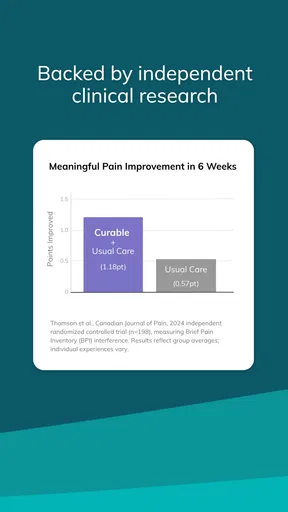
It also helps to set expectations before opening the app. Curable is a medical app from Curable Inc., built around education and guided practice, not an instant diagnosis or an emergency service. Its store summary describes it as clinically proven to help with back pain, migraine, and more, but that shouldn’t be read as a guarantee of an individual result. Pain has many possible causes, and an app cannot determine what is happening in your specific case.
Small setup checks that make practice easier
Curable is free to download, and the app is rated for Everyone. The free entry point is useful for exploring the approach, while in-app purchases range from $11.99 to $399.99 per item, so I’d check the current purchase details carefully before committing to anything. The app has a 4.2 average from around 1,400 ratings, and has been installed over 100,000 times; those figures can help you understand its reach, but they don’t tell you whether its method will fit your needs.
If you’re on an older device, check compatibility before building a routine around the app: the current version is 6.0.1 and it requires Android 7.0 or later. I’d also think through when you can realistically listen or concentrate. A guided audio exercise is easier to try in a quiet room with headphones than while driving, working with equipment, or doing anything that needs your attention. If a session is uncomfortable, stop rather than treating completion as a test of willpower.
Using the app in a routine that can survive a difficult day
I’d keep the routine deliberately small, so it has a chance of surviving days when pain or fatigue takes most of your attention. In this section, I’ll focus on choosing a workable moment and noticing useful changes without judging each exercise by whether it brings immediate relief. That makes it easier to approach the lessons as optional practice rather than another demand.
What the lessons and exercises are for
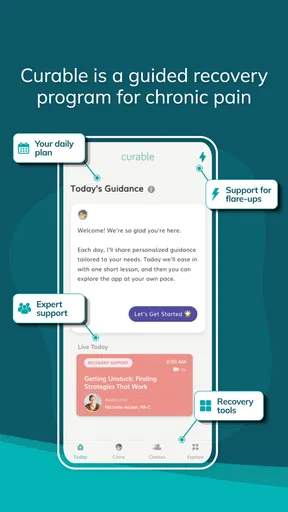
First things first, setting up Curable is a breeze. The app greets you with a clean and intuitive interface, making it easy to dive right into its offerings. You're prompted to complete a brief questionnaire about your pain history, which helps tailor the experience to your unique needs. The personal touch right from the get-go is something I really appreciated.
Worth Reading Before You Choose

Flipboard Shows What News Apps Must Do Beyond the Feed

Switching to Android Auto Means Rethinking Your Driving Routine

Google Calendar Makes a Crowded Week Easier to Manage

Ludo King Makes the Most of the Minutes Between Plans

Baby Panda World Brings Quick Play to Modern Phones, but Its Game Library Feels Busy

ESPN’s Live Game View Makes Following Close Games Easier
The Science Behind It
Curable isn't just about symptom management; it's grounded in neuroscience and psychology. The app leverages the latest research on pain management, including concepts like neuroplasticity and mind-body techniques. It’s like having a personal pain researcher in your pocket! The educational content is delivered in a friendly and accessible tone, so you don't feel lost in medical jargon.
Features That Stand Out
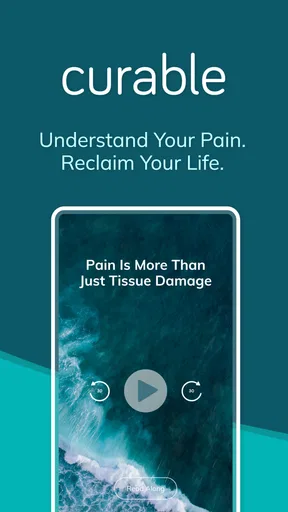
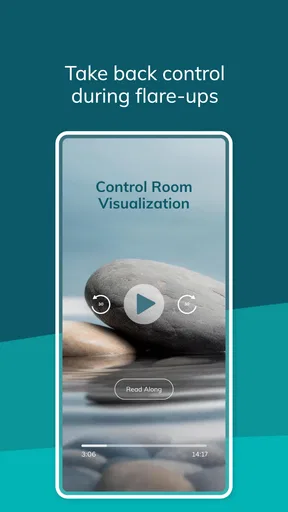
One of the standout features is the guided audio sessions. These sessions are designed to help rewire your brain’s response to pain, and I found them both soothing and enlightening. There’s a mix of meditation, visualizations, and even some humor, which keeps things engaging. It’s like having a calm, reassuring friend guiding you through tough times.
Another cool aspect is the "Curable Brain Training" exercises. These short exercises are meant to interrupt the pain cycle and retrain your nervous system. Initially, I was skeptical, but after a few sessions, I noticed subtle shifts in my pain perception. It’s not magic, but it’s definitely something!
A realistic way to fit it into the day
For a practical trial, I’d connect a session to an existing pause, such as settling in after lunch or winding down before bed, rather than setting an ambitious daily target. On a flare-up day, the goal might simply be to listen and notice what feels manageable; on a better day, you might have more attention for an educational exercise. That flexibility matters because pain can make rigid routines feel like another obligation.
A useful way to judge whether the approach is helping is to notice more than pain intensity. You might ask whether you feel less alarmed by a familiar sensation, whether you can return to an activity with less hesitation, or whether an exercise leaves you calmer. Those observations are not proof that a medical condition has changed, but they can help you decide whether the practice is worthwhile for you. I’d avoid turning every session into a pass-or-fail test based on immediate relief.
User Experience
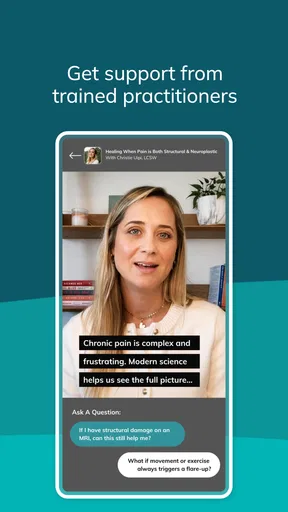
Using the app daily is quite a pleasant experience. It sends gentle reminders to check in, which I found helpful without being intrusive. The app’s community feature is a great touch too. It connects you with others on a similar journey, providing a supportive network where users can share experiences and tips.
The developers have put a lot of thought into the app’s design. It’s aesthetically pleasing and easy to navigate, with everything you need just a tap away. Whether you’re tech-savvy or not, you’ll find it straightforward and user-friendly.
Recovering when your routine breaks
If you miss a day or lose momentum, I wouldn’t try to compensate by squeezing several exercises into the next one. Restart with a manageable session and see how it lands. That keeps the practice from becoming a source of guilt, which is particularly important when pain, fatigue, or a busy schedule disrupts plans. If reminders stop being useful, treat them as prompts you can respond to when convenient, not instructions you must obey.
When an audio session does not feel right, pause and consider what made it difficult: perhaps the timing, the topic, or simply the fact that concentrating is hard that day. Trying again at a different time can be more sensible than pushing through. If the app itself seems to be behaving unexpectedly, basic checks such as confirming your device meets the minimum operating system requirement and reopening the app are reasonable first steps. I would not assume every problem needs a change to your pain routine.
How it compares with familiar options
Compared with a conventional pain diary, Curable puts more emphasis on guided learning and mind-body exercises than on simply recording symptoms. Compared with a meditation app, it gives the practice a pain-focused context. That distinction is useful if you want help thinking about pain rather than a general relaxation soundtrack. On the other hand, someone who mainly wants to log medication, symptoms, or appointments may be better served by a dedicated tracker, while a person seeking individualized clinical advice should speak with a qualified health professional.
The community can make the experience feel less solitary, but other users’ stories are personal experiences, not medical instructions. I’d take encouragement from shared understanding without treating another person’s routine or interpretation as a plan for my own health. If community interaction feels overwhelming or unhelpful, the educational and audio parts may still be the more relevant reason to use the app.
When the app is not the cause—or the answer
A difficult session does not necessarily mean the app is broken or that you are using it incorrectly. Pain, stress, poor sleep, interruptions, and the demands of a particular day can all affect concentration and how an exercise feels. If the app opens but a lesson is hard to follow, a quieter moment may be a better test than repeatedly restarting it. If a technical issue persists, checking the device’s compatibility and trying again later is a sensible first move.
Just as importantly, new, severe, or changing symptoms deserve appropriate medical attention rather than an attempt to solve them with an app. Curable can sit alongside care, but it should not delay assessment or replace advice from a clinician who knows your situation. I would also skip it as a main solution if you need urgent help, a diagnosis, or a treatment plan tailored to a specific condition.
Who is likely to get the most from it
I think Curable is most appealing to someone curious about the relationship between pain, attention, emotions, and everyday habits, and willing to try short guided practices without expecting a quick cure. It may also suit a person who finds plain clinical explanations hard to absorb and prefers audio guidance with an approachable tone. The app is less compelling for someone who wants a simple record-keeping tool, cannot spare attention for listening, or would rather focus exclusively on hands-on medical care.
Curable is a free medical app, released on December 19, 2017, and its current version is 6.0.1. I’d explore the available experience first, then make a deliberate choice about any paid option instead of assuming that buying more will automatically produce better results. The range of in-app purchase prices is broad, so checking the terms and what each purchase includes before paying is a practical step, especially if you are comparing it with other ways to get support.
Room for Improvement
While I found Curable to be incredibly beneficial, there are a few areas that could be enhanced. For instance, some users might appreciate more personalized feedback on their progress. Additionally, expanding the range of exercises could keep the content fresh and engaging over the long term.
Moreover, while the app offers a free trial, accessing the full range of features requires a subscription. It’s something to consider if you’re budgeting, but in my opinion, the wealth of resources and support makes it a worthy investment for those committed to managing their pain more effectively.
Final Thoughts
All in all, Curable: Chronic Pain Relief is a thoughtful and well-crafted app that provides valuable insights and tools for anyone dealing with chronic pain. While it’s not a replacement for medical treatment, it serves as an empowering addition to your pain management toolkit. The blend of science, practical exercises, and community support makes it a standout choice. If you’re ready to explore a new approach to managing your pain, I’d say give Curable a shot. You just might find the relief you’ve been searching for.
Don’t forget to check it out in the app store and take advantage of the trial period to see how it works for you!
Pros
- User-friendly interface for easy navigation.
- Comprehensive pain management resources.
- Customizable treatment plans.
- Regularly updated content.
- Supportive community for users.
Cons
- Requires consistent internet connection.
- Limited features in free version.
- May not suit all pain types.
- Occasional app crashes reported.
- Subscription can be pricey.
FAQs for Curable: Chronic Pain Relief
What is Curable and how does it help with chronic pain?
Curable is a self-management app designed to help users understand and alleviate chronic pain through a combination of educational content, guided meditations, and interactive exercises. The app focuses on the mind-body connection, providing tools and techniques to address pain from a psychological perspective, which can complement traditional medical treatments.
Is Curable suitable for all types of chronic pain?
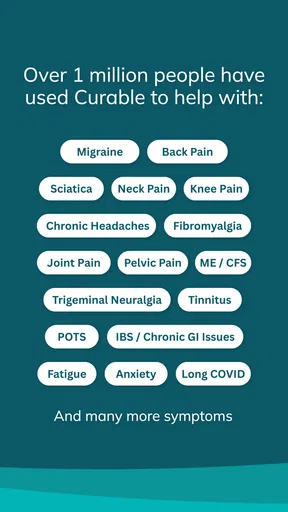
Curable is designed to assist with a wide range of chronic pain conditions, including back pain, migraines, fibromyalgia, and more. However, it is important for users to consult with healthcare professionals to ensure that the app’s methods are suitable for their specific condition and to integrate it effectively with their overall treatment plan.
How does the Curable app approach pain management differently?
Curable focuses on the mind-body connection, emphasizing the psychological aspects of pain management. The app provides educational insights into the neuroscience of pain, teaches mindfulness and cognitive behavioral techniques, and offers exercises to help rewire the brain's response to pain. This holistic approach complements physical treatments and aims to empower users in their pain management journey.
Are there any costs associated with using Curable?
Curable offers a free version with limited features to give users a taste of its offerings. For access to the full range of content and exercises, a subscription is required. This can be purchased as a monthly or annual plan, and users should check the app for current pricing and any available promotions.
What devices are compatible with the Curable app?
Curable is available on both Android and iOS platforms, making it accessible to a wide range of smartphone users. The app requires a stable internet connection for downloading content and updates. Users should ensure their device meets the app’s system requirements for optimal performance, which can be found on the app’s download page.


